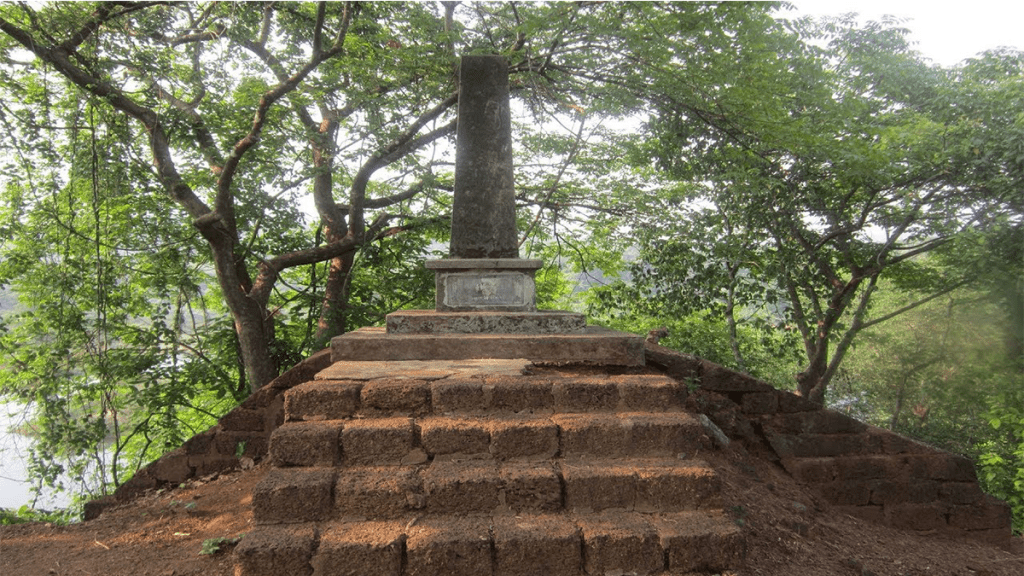
Standing tall amidst the greenery of North Goa, Nanuz Fort whispers stories of a glorious past. Built in the 17th century by the Maratha emperor Chhatrapati Shivaji Maharaj, the fort served as a crucial defensive structure. Its strategic location in Sattari Taluka, near Valpoi village, just above the banks of River Mhadei, made it a coveted possession.
While the architectural style reflects a blend of Indian, Portuguese, and Mughal influences, the fort’s current state paints a different picture. Years of neglect and battles have reduced it to a mere shadow of its former magnificence. Only remnants of walls, around 6 feet high, stand as silent sentinels. A lone pillar with an inscription and a vast surrounding meadow are the remaining physical fragments of a once-powerful citadel.
The blame for this decline falls on the numerous conflicts Nanuz Fort witnessed. The Mughals, Portuguese, Marathas – all fought for control, leaving the fort significantly damaged with each struggle. The lack of restoration efforts by the government further sealed its fate, transforming it into a historical site marked by decay.
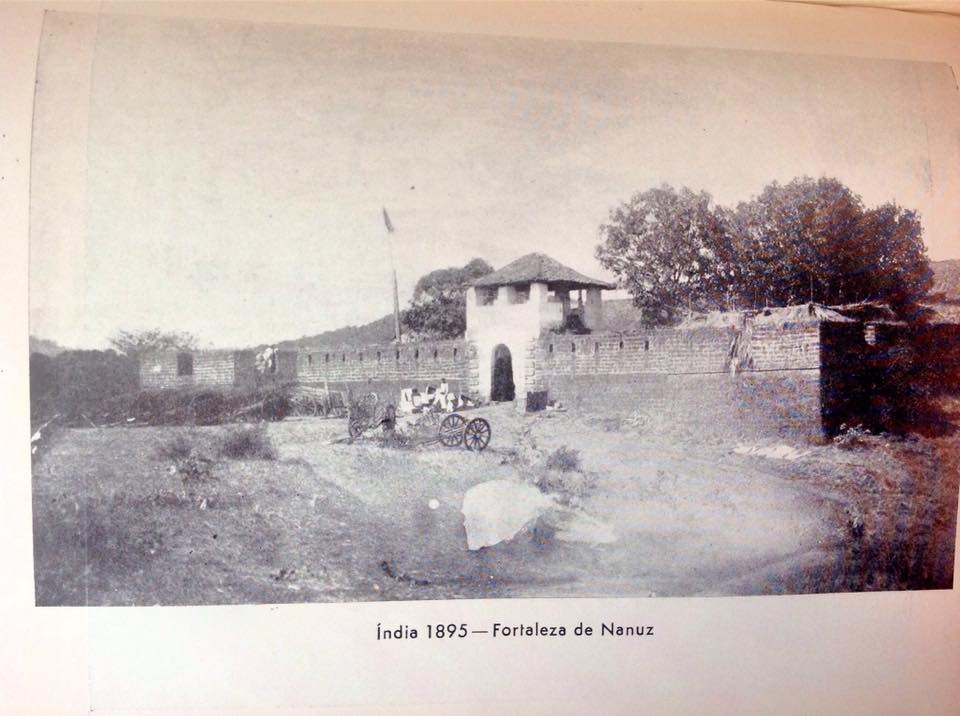
However, beneath the ruins lies a rich history. Nanuz Fort wasn’t just a defensive post; it was a witness to the changing hands of power. After Shivaji Maharaj’s construction, It was captured by the Portuguese and when the Portuguese ally Dipaji Rane revolted against them, he seized the fort and transformed it into a military base, launching attacks on nearby villages from this strategic vantage point against the Portuguese. But the ownership story doesn’t end there. Quepem forces eventually captured the fort, followed by the Panaji garrisons. These takeovers mirrored the larger power struggles that shaped Goa’s history.
Despite its current state, Nanuz Fort remains a fascinating spot for history buffs. It stands as a testament to Goa’s rebellious spirit, a place where multiple rulers clashed for dominance. The remnants, coupled with the surrounding natural beauty, create a unique atmosphere that beckons exploration.
So, while the fort may be a ruin, its story continues to enthrall visitors, offering a glimpse into Goa’s vibrant past.
Travel tip: One can either reach this fort via Panjim or Ponda. Once you arrive there, you will need to climb a small hillrock.
 Aadle Goi
Leave a comment