
Imagine Goa, not just famous beaches, but also a bustling market with a long history. That’s Mapusa, in North Goa! The market here isn’t just a place to shop, it’s like a time machine showing how people in Goa have traded for hundreds of years.
Pre-Colonial Roots: A Community of Barter
Even before the arrival of major powers like the Aryans, Marathas, and Portuguese, Goa thrived on a well-established “Gaunkari” system. This unique community farming structure saw villages collaborate, cultivating land collectively, and sharing the profits. Market days were central events, where villages brought their produce to a designated area for exchange. Historical records suggest Mapusa emerged as a prominent market centre during this era, laying the groundwork for its enduring commercial significance.
The Rise of Mapusa: A Friday Tradition
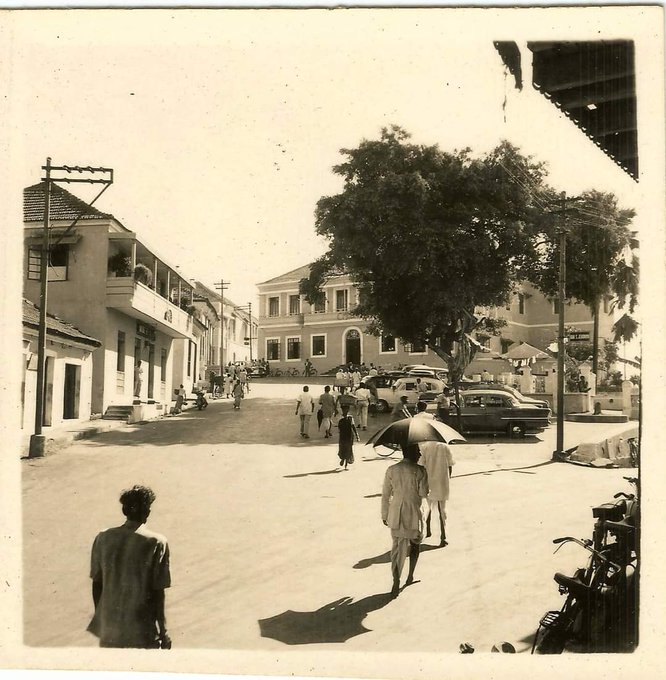
By the time of Portuguese rule (1510-1961), Mapusa had solidified its reputation as a key market destination, particularly on Fridays. People came from the town, neighbouring villages, and even across the Ghats, transporting goods by bullock carts. Before the establishment of the Mormugao railway, Mapusa Market rivalled, if not surpassed, all other Goan trading centres. At that time, there wasn’t a designated marketplace. Sellers would assemble near the Municipal building to sell their homemade produce, a testament to the market’s organic growth.
This Instagram reel will take you back in time and get a feeling of what it was like roaming in the Mapusa market during Portuguese rule -> watch here .
Local Treasures for Sale
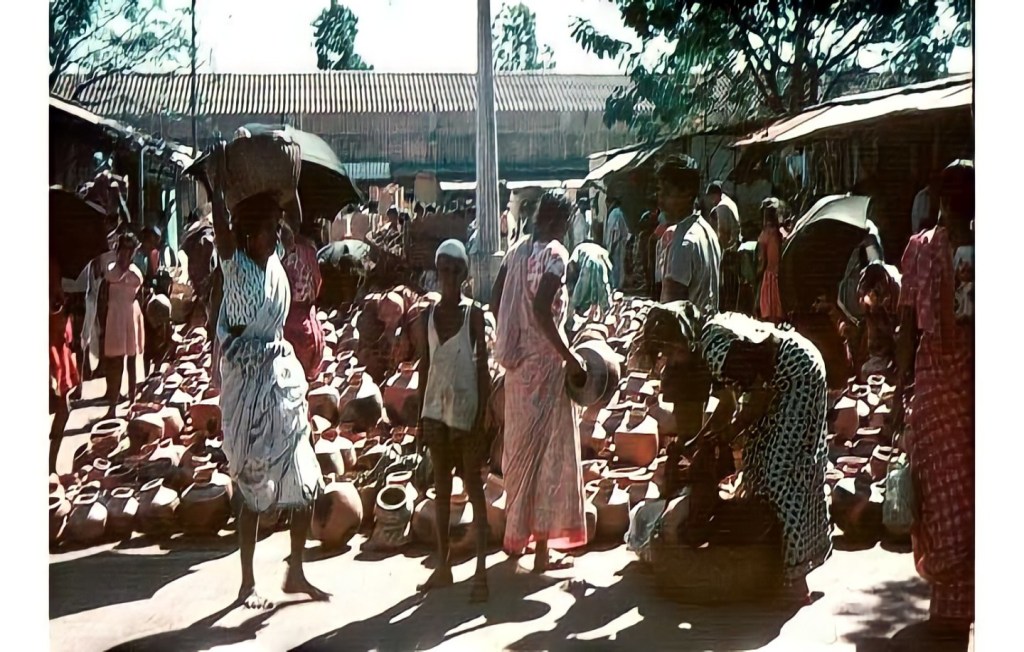
Every Friday, Mapusa came alive with a vibrant display of local produce and handcrafted goods. Goan vendors from the town and surrounding villages would sell things they made or grew themselves like spices, fresh fruits, handcrafted jewellery, pottery, poultry, aromatic incense, and colourful carpets.
The market was open to everyone from seasoned merchants to housewives with surplus produce – offering a diverse range of products at the market.
Establishment of Mapusa Municipal Marketplace

The inauguration of the Mapusa Municipal Market in 1960 marked a significant turning point. This first planned marketplace in Goa provided a permanent space for vendors, streamlining trade and enhancing the shopping experience. Today, Mapusa Market continues to be a bustling hub, not just for locals but also for tourists seeking a glimpse into Goa’s vibrant culture and a taste of its delectable local offerings.
Beyond the Market: Exploring Goan History
To fully appreciate the story of Mapusa Market, one must delve into the broader details of Goan history. The Portuguese era, spanning over four centuries, was unpleasant for the majority of locals, however, it left an indelible mark on Goan architecture, cuisine, and language. Exploring these influences alongside the market’s evolution offers a richer understanding of the cultural and commercial forces that shaped Mapusa into the vibrant centre it is today.
Planning Your Visit
The Mapusa Market is a must-visit for anyone seeking an authentic Goan experience. Next time you’re in Goa, skip the fancy malls for a while and head to Mapusa Market. It’s a great way to experience the real Goa and its rich trading history!
 Aadle Goi
Leave a comment