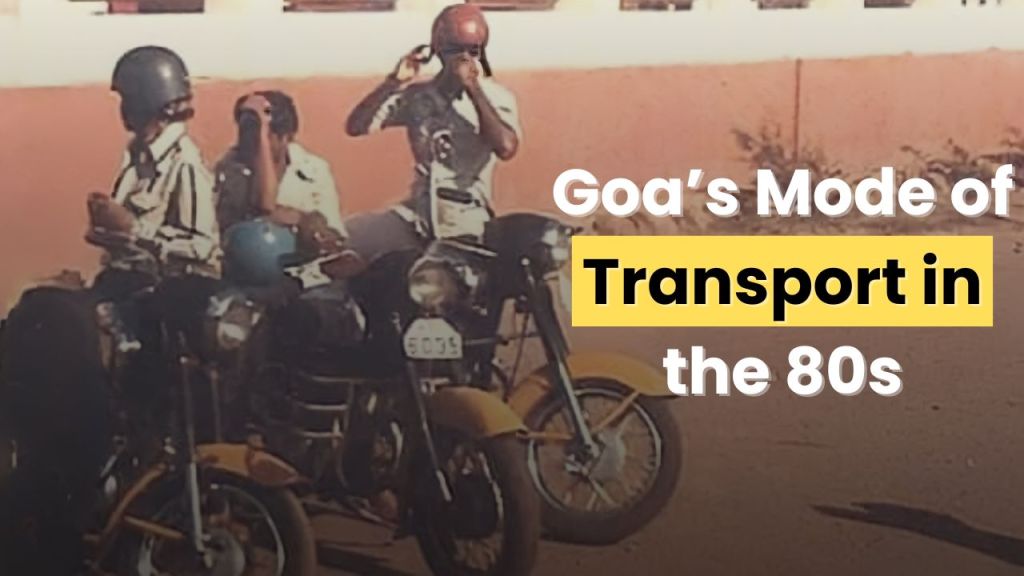
In the sun-drenched lanes of Goa during the 1980s and 1990s, transportation wasn’t just about getting from point A to point B—it was a vibrant tapestry of culture, community, and character. Let’s take a nostalgic ride through the various modes of transport that defined this colorful era.
The Iconic Motorcycle Pilots
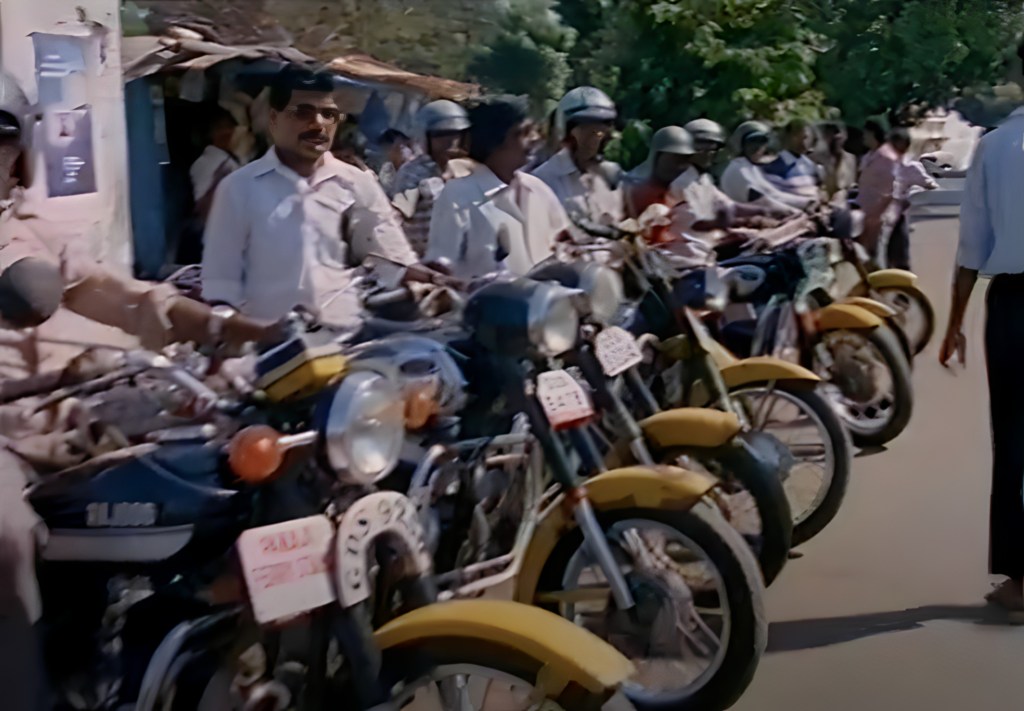
One of the most memorable sights on Goan roads was the distinctive Yamaha RX 100, Rajdoot and Yezdi affectionately known as the “pilot” bikes locally. These motorcycles, along with the sturdy Bajaj Chetak scooters, were the preferred choice for both locals and tourists. The Goan pilots were among the first licensed motorcycle taxis in India, starting operations in the 1980s and becoming ubiquitous in the 90s. These weren’t just riders, they’re the storytellers of the road and the guides to hidden gems. Sometimes these motorcycle owners would often serve as informal taxi services, especially in areas where other transportation was scarce.
The Trustworthy Bus Network
The Kadamba Transport Corporation, established in 1980, was the backbone of public transportation in Goa. The local red-and-yellow buses connected villages to cities, becoming an integral part of daily life. The buses, though not air-conditioned, had their windows wide open, letting in the refreshing sea breeze and the scent of cashew orchards.
Traditional Water Transport
In the riverside villages and along the coast, traditional wooden canoes were still in use, especially by fishing communities. The larger wooden ferry boats, crucial for crossing rivers before the construction of many bridges, connected places like Ribandar to Panaji and Betim to Panaji.
The Beloved Ambassador Taxis
The Hindustan Ambassador, India’s iconic car, ruled the taxi service in Goa during this period. These sturdy vehicles, painted black and yellow, were a common sight outside hotels and tourist spots. Many locals still remember the distinctive “thump-thump” sound of their engines echoing through Goa’s narrow lanes.
The Auto Rickshaw Culture
Though less common than in other Indian states, auto rickshaws were present in urban areas like Panaji and Margao. These three-wheeled vehicles, painted black and yellow, provided an economical transport option for short distances.
Animal-Drawn Transportation
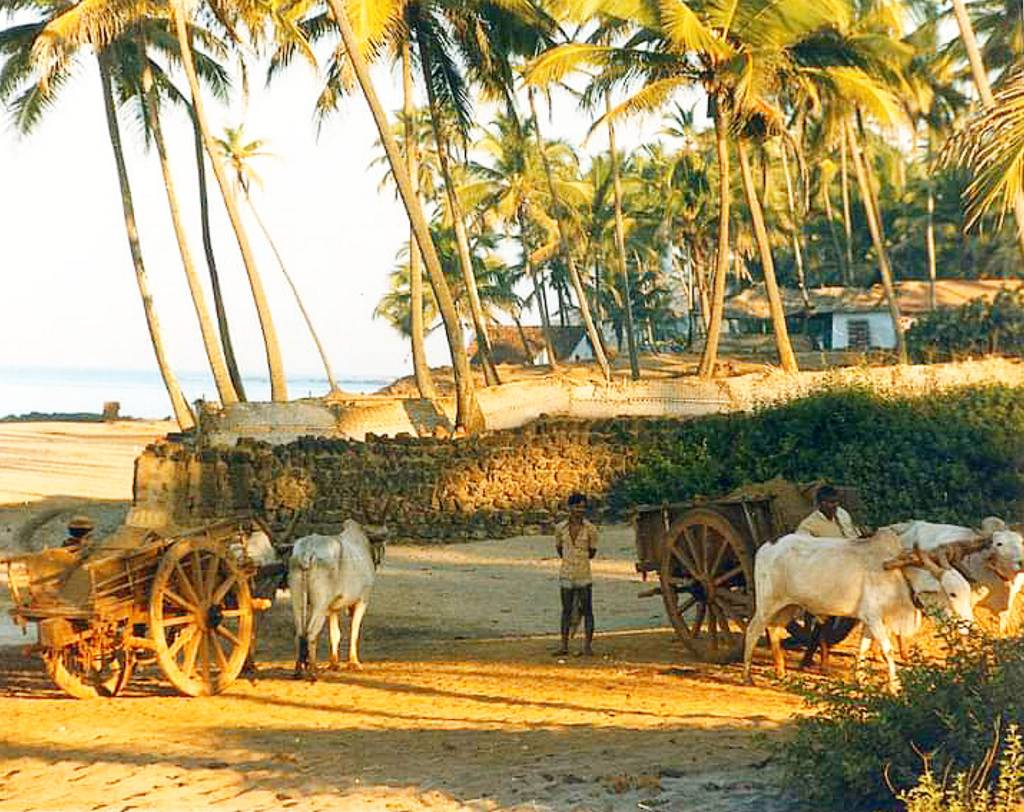
A significant yet often overlooked aspect of Goan transportation in the 1970s and 80s was the use of animal-drawn vehicles, which played a vital role especially in rural areas and for specific purposes:
Bullock Carts
The traditional bullock cart, known locally as “Gadi,” was a common sight on Goan roads, particularly in villages. These wooden carts, pulled by a pair of bullocks, served multiple purposes:
- Transportation of agricultural produce from fields to markets
- Carrying construction materials like sand, stones, and wood
- Moving household goods during relocations
Horse-Drawn Carriages
Though less common than bullock carts, horse-drawn carriages held their own special place in Goan transportation until late 60s:
- Popular in tourist areas, especially around heritage sites
- Used during wedding ceremonies and special occasions
- Offered romantic rides along beach areas
Hand-pulled Carts
While not animal-drawn, these human-pulled carts were often used alongside animal transport:
- Common among vendors selling fruits, vegetables, and other goods
- Used for door-to-door delivery of essential items
- Popular among fishermen for transporting their catch to local markets
This transportation ecosystem played a crucial role in shaping Goa’s tourism industry and local culture. Many of these traditional modes of transport, especially the motorcycle pilots, continue to operate today, though in modernized forms.
 Aadle Goi
Leave a comment