
Pottery is one of the oldest known crafts, dating back over 10,000 years. In Goa, it has been a part of the cultural landscape for centuries, with towns like Bicholim and Mapusa known for their clay markets during the pre and post-liberation periods. These markets were bustling hubs of activity, where artisans would gather to sell their wares, and pottery was an integral part of daily life.
In vintage Goa, pottery was not just a decorative art form but also a necessity. Clay pots, bowls, and plates were used for cooking, storing food, and serving meals. The gurgulet, a type of water cooler, was a popular item, as was the budkulo, modki, cudnem for cooking purposes. You can watch the vintage footage of the clay artisans here .
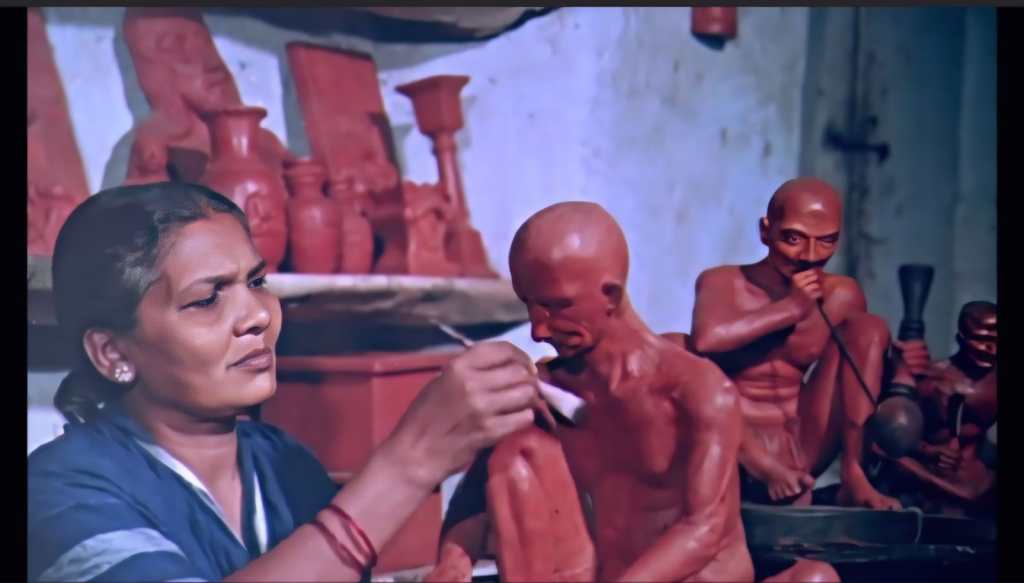
Pottery was also used for religious purposes. Clay lamps were used to light homes and temples, and figurines of deities were often made from clay. The use of clay was believed to have purifying properties, and clay utensils were considered to be more hygienic than metal or wooden ones.
The pottery tradition in Goa was passed down from generation to generation, with artisans learning their craft from their elders. However, the advent of modern technology and industrialization has had a significant impact on the pottery market in Goa. Mass-produced ceramics and other materials have become more affordable and accessible, leading to a decline in the demand for handmade pottery.
As a result, many traditional potters have been forced to abandon their craft, and the number of skilled artisans has dwindled. However, there are still some dedicated individuals who are working to keep the tradition alive. These artisans are often found in small villages and towns, where they continue to produce beautiful and functional pottery using traditional techniques.
In recent years, there has been a growing interest in traditional crafts, and pottery is no exception. Many people are now seeking out authentic, handmade products, and this has led to a resurgence in the demand for Goan pottery. As a result, a number of new potters have emerged, and some of the older artisans are seeing a renewed interest in their work.
Today, the pottery market in Goa is a mix of traditional and contemporary styles. While some artisans continue to produce traditional items, others are experimenting with new designs and techniques. This has led to a diverse range of products, from functional items like pots and bowls to decorative pieces like sculptures and figurines.
The pottery market in Goa is still evolving, but it is clear that this ancient craft has a bright future. With the growing interest in traditional crafts and the increasing demand for unique, handmade products, Goan pottery is poised to continue to thrive for many years to come.

 Aadle Goi
Leave a comment