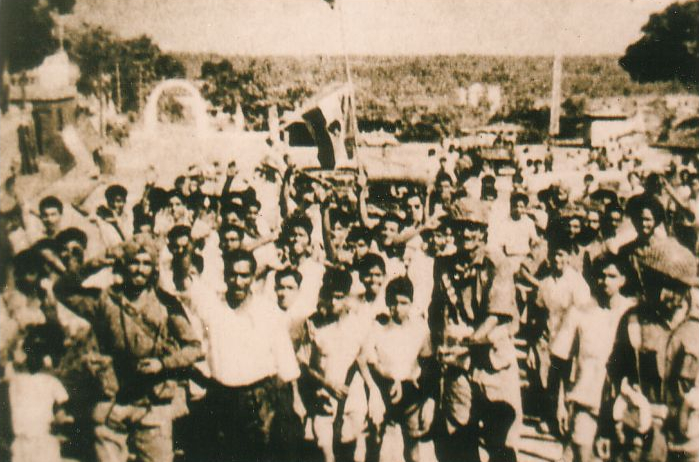
December 19th marks a pivotal moment in Goan history: Goa Liberation Day. In 1961, after 450 years of Portuguese rule, India launched Operation Vijay, a swift military action that brought an end to colonial dominance. This liberation ushered in a new era for Goa, but also presented unique challenges that continue to shape the state today.
The Seeds of Liberation
The struggle for liberation was a long and arduous one. Goans, inspired by India’s own independence movement, gradually intensified their resistance against Portuguese rule. The Satya Graha movement, led by figures like Dr. Ram Manohar Lohia, played a crucial role in galvanizing public opinion and demanding self-determination. However, peaceful protests often met with brutal suppression by the Portuguese authorities.
Operation Vijay: A Turning Point
The final act of liberation came in the form of Operation Vijay. The Indian armed forces, with a combination of air, land, and sea forces, swiftly overwhelmed the Portuguese defenses. While the operation was short-lived, it marked a significant turning point in Goan history.
Post-Liberation Goa: A Mixed Legacy
The initial years after liberation witnessed a period of rapid change. Goa integrated into the Indian Union, bringing with it new opportunities and challenges. Education, healthcare, and infrastructure development received significant attention. Tourism, initially a minor sector, began to flourish, transforming the state’s landscape and economy.
However, this progress has not been without its costs. Concerns have been raised about the rapid pace of development, particularly in the coastal areas. Critics argue that unchecked construction and tourism have led to environmental degradation, traffic congestion, and a loss of the unique Goan identity. The once-serene villages have been transformed into concrete jungles, putting a strain on the fragile ecosystem.
The Politics of Development
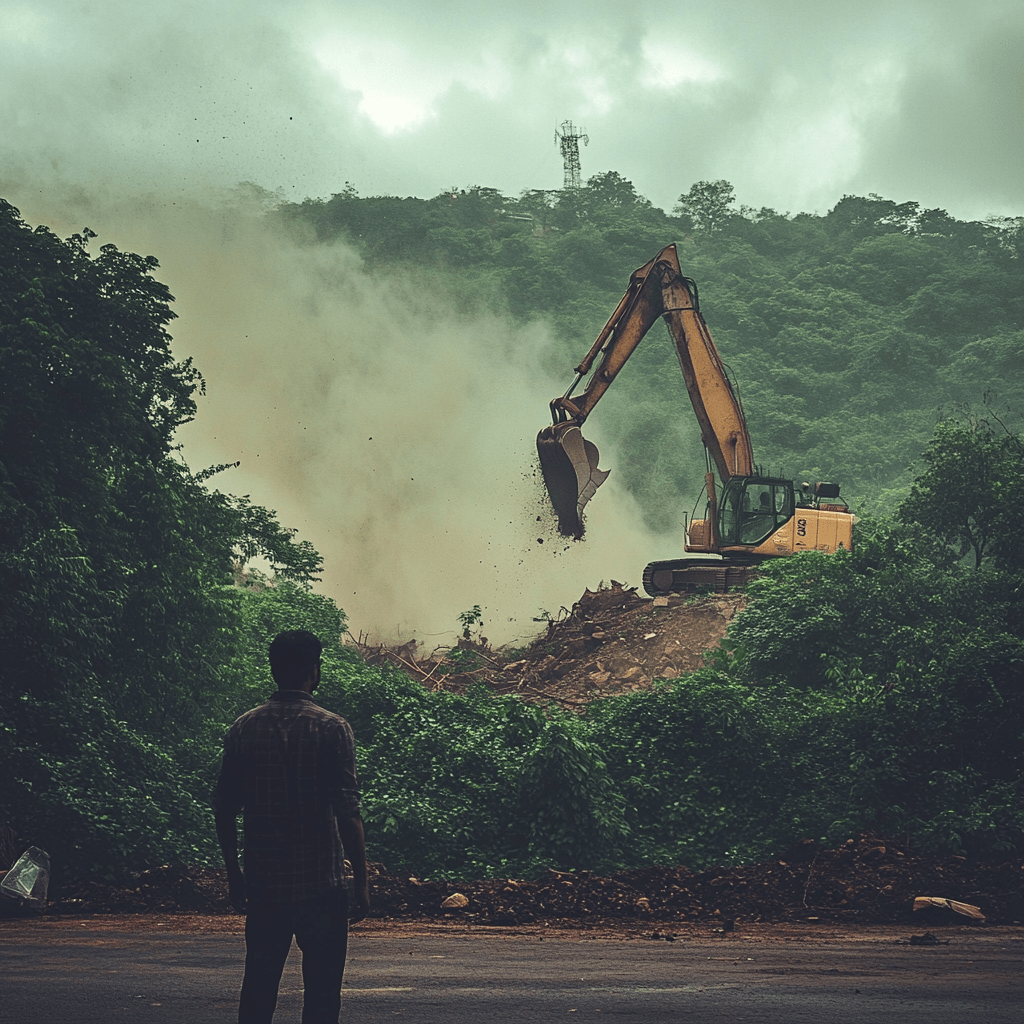
The issue of development has also become entangled in political discourse. While acknowledging the need for progress, many Goans express concerns about the motivations behind certain development projects. Allegations of corruption and favouritism have surfaced, with some accusing politicians of prioritising personal gains over the long-term well-being of the state. The debate over large-scale infrastructure projects, such as the Mopa International Airport, highlights the conflicting priorities between economic growth and environmental conservation.
Looking Ahead
As Goa celebrates 63 years of liberation, it faces a crucial juncture. The state must strive to balance economic progress with environmental sustainability and cultural preservation. This requires a nuanced approach that considers the long-term implications of development decisions. Engaging in open dialogue between the government, local communities, and environmentalists is crucial to ensure that the path forward benefits all Goans.
 Aadle Goi
Leave a comment