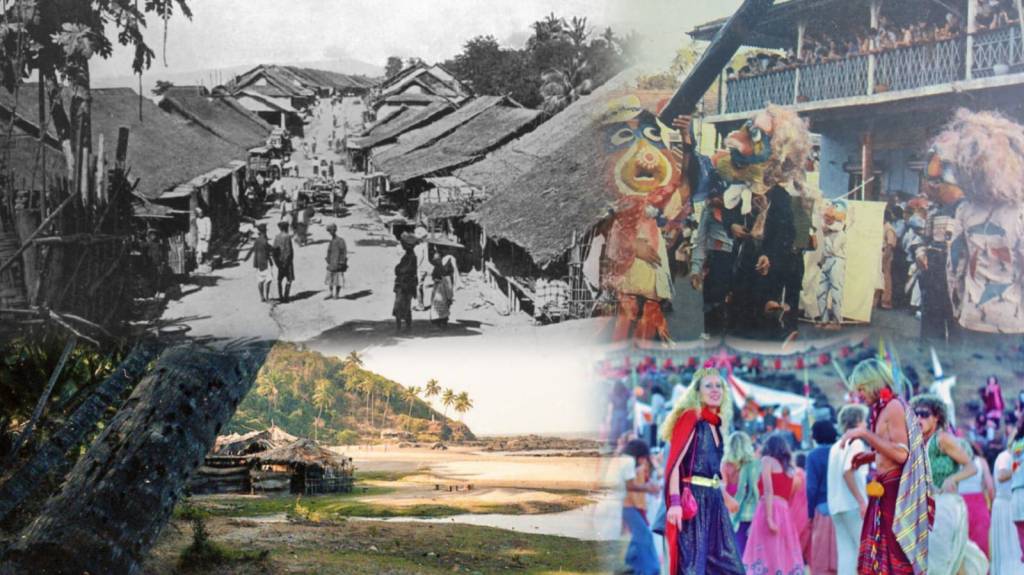
Goa, a land of golden beaches and rich heritage, has always been a melting pot of cultures. The period from the 1960s to the 1980s marked a dramatic cultural shift that shaped the Goa we know today. In the early 60s, Goa was a quiet, relatively untouched corner of India, still basking in its colonial past. By the 1980s, it had transformed into a global hotspot, attracting travelers, artists, and adventurers from all over the world. This era was defined by a blend of tradition and new influences that revolutionized the Goan way of life.
The 1960s: A Decade of Transition
The 1960s in Goa was a time of significant change. Goa was still under Portuguese rule until 1961, and its culture was deeply rooted in its colonial past. The Portuguese influence was evident in everything from the language spoken (Portuguese and Konkani) to the architecture, food, and festivals. The population lived in close-knit communities, where traditional customs were practiced daily.
However, with the political shift in 1961, when Goa became part of India, new influences began to take hold. The early years of Indian rule saw the introduction of new governance, education systems, and economic changes. Yet, despite these shifts, the essence of Goan life remained largely unchanged—until the arrival of the counterculture movement in the late 60s.
The 1970s: The Hippie Invasion
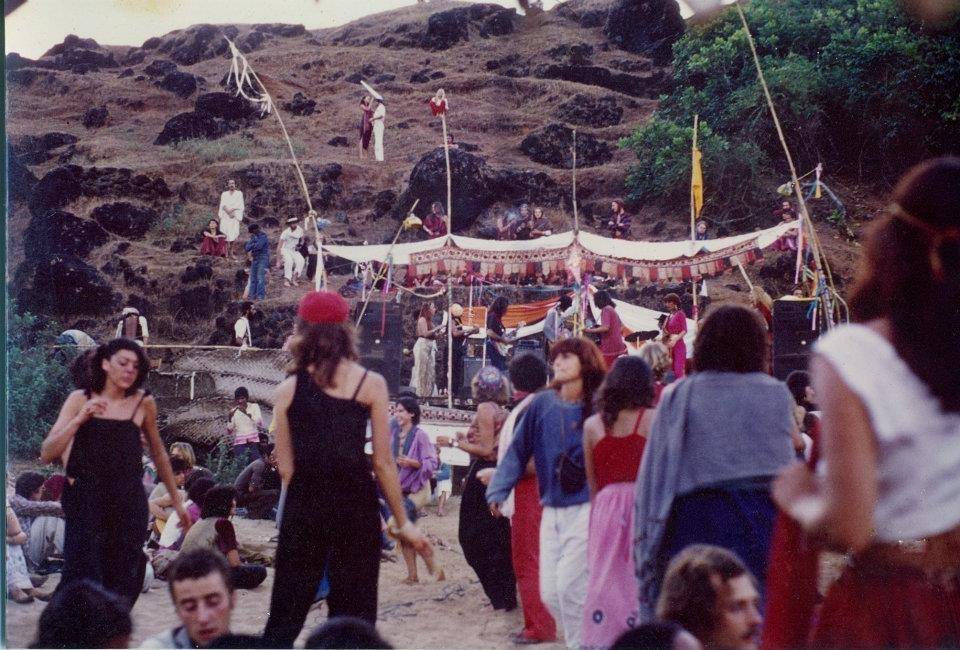
The 1970s brought an influx of foreign travelers, particularly hippies, who were drawn to Goa’s free-spirited vibe, stunning beaches, and affordable living. The tiny coastal state became a haven for artists, musicians, and wanderers seeking an escape from the conventional. This was when Goa’s cultural landscape began to undergo a dramatic transformation.
Goans living near the beaches saw a direct impact, with their villages becoming hubs of tourism and commerce. However, those living further inland, in the hinterlands and smaller villages, experienced the cultural shift differently. Life in these areas remained more traditional and insulated from the immediate influence of hippies and tourists. Agriculture, fishing, and toddy tapping were the mainstays of life, and many families continued to live as they had for generations.
Life Away from the Beaches
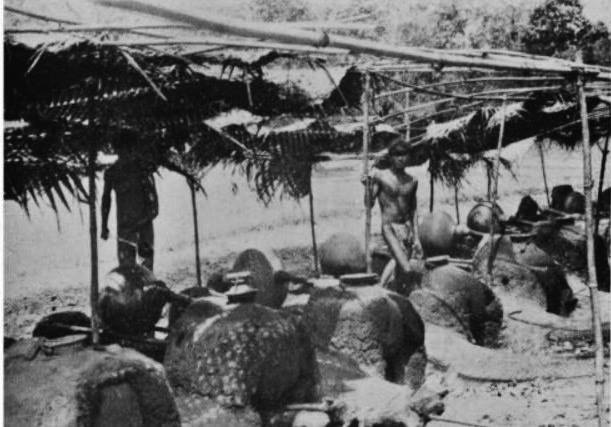
For Goans living away from the beaches, the cultural shift was more gradual but still impactful. As tourism began to rise in the coastal regions, inland areas became a source of resources and manpower. Young men and women from the hinterlands started finding employment in the growing hospitality industry, working in hotels, restaurants, and shops near the beaches. This brought economic opportunities but also exposed them to a lifestyle vastly different from the one they were accustomed to.
Villages that were once entirely self-sufficient began to feel the pull of modernization. Roads and infrastructure improved as tourism grew, making remote areas more accessible. While this development brought conveniences, it also disrupted traditional ways of life. Goans who had never ventured far from their villages suddenly found themselves interacting with foreigners and adapting to a more globalized way of thinking.
Additionally, families who had strong ties to traditional occupations like farming or fishing started experiencing a generational divide. Younger Goans, inspired by the modern, carefree lifestyles they saw on the beaches, began seeking jobs outside their family trades, often choosing city or beachside jobs over rural work. This shift gradually changed the social fabric of these communities.
Preserving Tradition Amid Change
Despite the growing influence of tourism and modernization, Goans living away from the beaches held onto their traditions fiercely. Festivals, village feasts, and religious ceremonies continued to be celebrated with zeal, serving as a reminder of their shared cultural identity. The local tiatr (Konkani theater) became a medium to comment on and process these changes, often blending humor and social critique to address issues like migration and modernity.
The 1980s: The Birth of Modern Goa
While the cultural shift may have seemed slower inland compared to the beaches, its effects were nonetheless profound. By the 1980s, even the more remote parts of Goa were touched by the winds of change. Education improved, access to markets expanded, and the blending of traditional Goan values with modern influences became inevitable.
The music scene, heavily influenced by the hippie movement, evolved into a thriving psychedelic trance and electronic dance music culture. Tourism grew exponentially, turning Goa into an international destination. The Goans inland began benefiting from this economic growth, with better job opportunities and infrastructure development.
At the same time, there was a growing awareness of the need to preserve Goa’s identity. Many inland communities took pride in maintaining their unique traditions, becoming the guardians of Goan heritage as the coastal areas embraced modernity and globalization.
Conclusion
The cultural shift from the 60s to the 80s in Goa was a time of immense change, as the state transitioned from colonial rule to becoming a part of modern India, while also embracing global influences. For those living away from the beaches, the changes were more subtle but no less significant, as traditional ways of life gradually blended with new opportunities and ideas. Today, these inland communities remain the heart of Goa’s rich cultural heritage, offering a glimpse into the past while adapting to the present.
 Aadle Goi
Leave a comment