
The Potekar Festival is a lesser-known and distinctive celebration on Goa’s Divar Island, providing a contrasting experience to the state’s famous Carnival celebrations. Traditional and culturally based, Potekar gives a glimpse of the island’s rich heritage.
Historical Background
The origins of the Potekar Festival date back to the pre-Portuguese period, and it is deeply rooted in the traditions of the people of Divar. The name ‘Potekar’ derives from the Konkani word ‘potem,’ meaning sack or jute bag, reflecting the festival’s unique character. Traditionally, villagers, disguised with shabby masks and carrying bags, engaged in playful pranks. While the nature of these pranks may have evolved, the Potekar spirit remains vibrant and alive today.
When and Where is Potekar Celebrated?
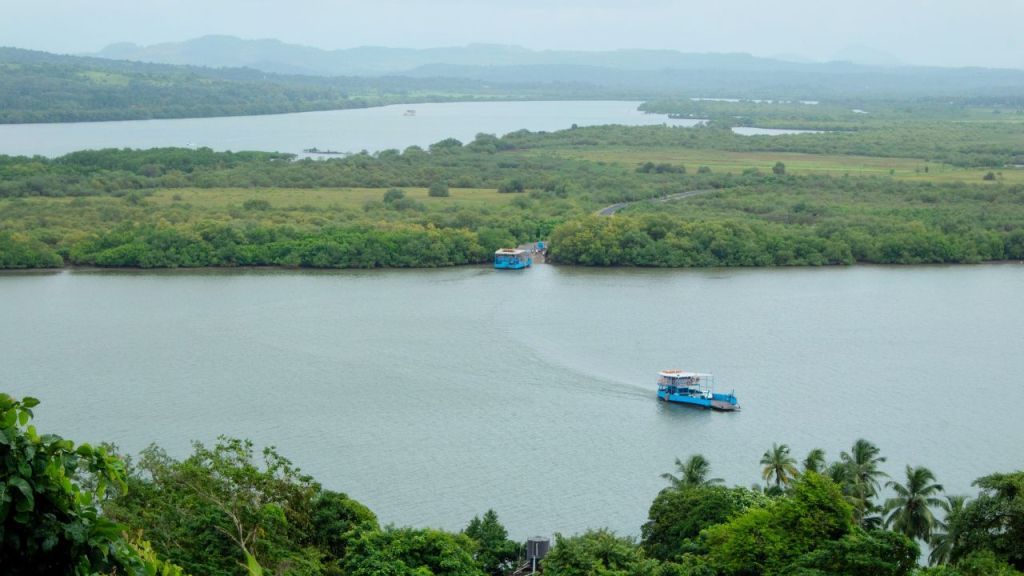
Potekar is witnessed for three consecutive days prior to Ash Wednesday, coinciding with Carnival time. While Carnival is celebrated throughout Goa, Potekar is confined to Divar Island, located along the Mandovi River close to Panaji. The island is filled with masked partygoers during this time, making it a hub of cultural activity.
Traditions and Customs
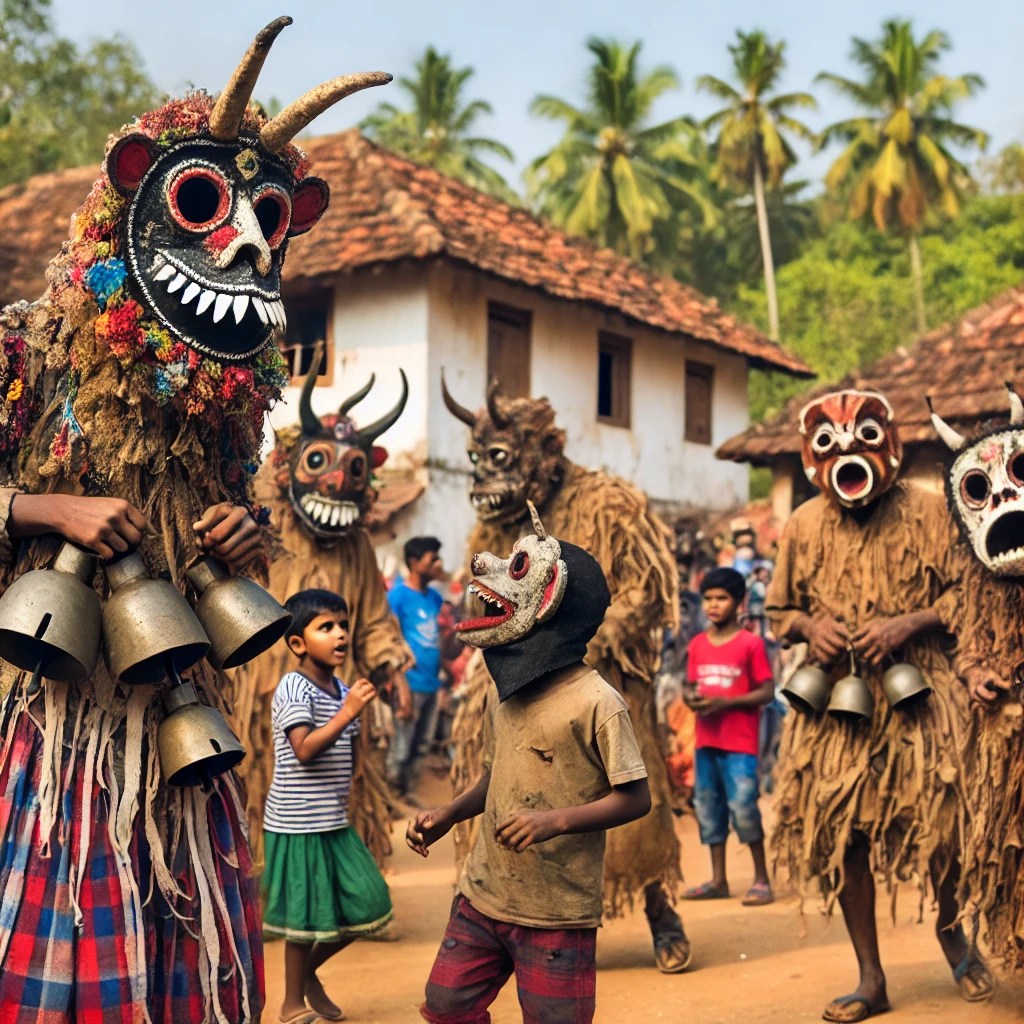
The crux of Potekar revolves around the showy costumes and masks donned by the revelers. People make their own homemade masks in the form of animals or creatures, and pair them with faded clothing. Their ankles and waists are ringed with cowbells that produce a rattling sound while they wander in the village. The masked adults go from house to house, where they receive food and liquids, and do some light troublemaking, jokingly startling youngsters and amusing inhabitants. Parents used the legend of the Potekar to discourage mischief in children, warning they’d be carried away in the Potekar’s sack. Fearing this, children would behave and lock themselves in their houses until sunset.
Potekar vs Goa Carnival
While both Potekar and Goa Carnival are events that take place prior to Lent and have similar themes of festivity, the two are starkly different in terms of scope and character. The Goa Carnival is a massive event with parades, music, and open participation throughout the state, bringing in many tourists. Potekar, however, is a smaller, localized festival, holding on to unique traditional practices peculiar to Divar Island.
Potekar in Today’s Times: Is It on the Decline or Booming?
Over the last few years, efforts have been made to bring back and keep alive the Potekar Festival. Following a slump, locals have rekindled interest and are now involving both men and women in participating. This renewed activity has added fresh vigor to the festival so that the deep traditions of Potekar live on despite the impact of modernization.
Conclusion
The Potekar Festival is a tribute to the multicultural fabric of Goa, presenting an experience that differs from mainstream festivals. The maintenance of such a tradition is important in upholding the cultural identity of groups like Divar Island. Tourists and residents can both join the Potekar celebrations and live the rich heritage of this Goan pocket themselves.
 Aadle Goi
Leave a comment