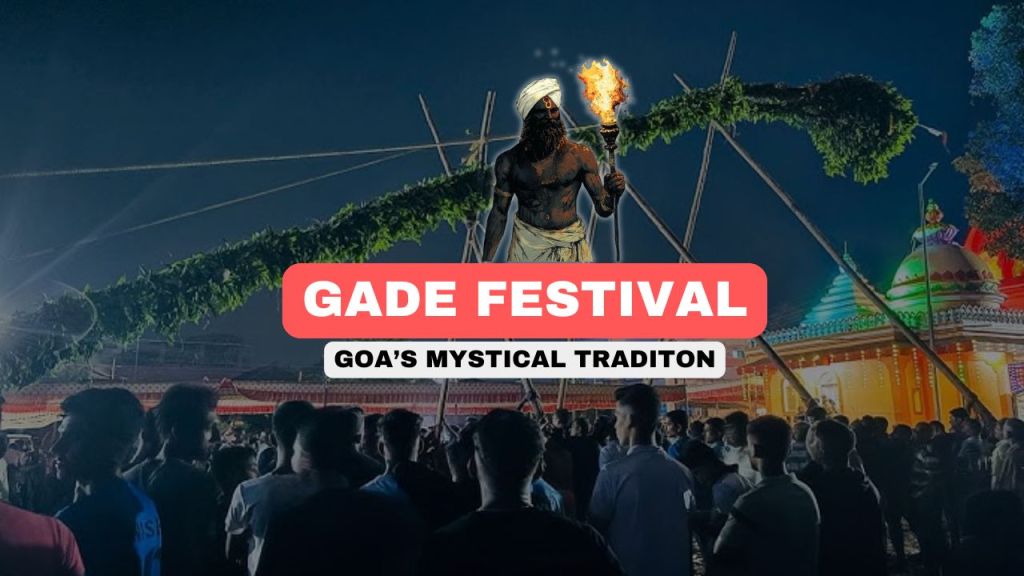
The Gade Festival, also known as Gadyachi Jatra, is a unique and intriguing celebration held in various villages across Goa, India. Deeply rooted in local traditions and beliefs, this festival is dedicated to spirits and protector deities, reflecting the rich cultural tapestry of the region.
Historical Background
The Gade Festival is traditionally associated with the Shigmo festivities, a spring festival celebrated in Goa. It is particularly dedicated to the worship of spirits known locally as ‘Devchar’ or ‘Rakhandar,’ considered protector deities of the villages. The festival’s origins are deeply intertwined with local folklore and ancestral traditions, aiming to appease these spirits and seek their blessings for the community’s well-being.
Celebration in Various Villages
The Gade Festival is celebrated in several Goan villages, each with its unique customs and rituals:
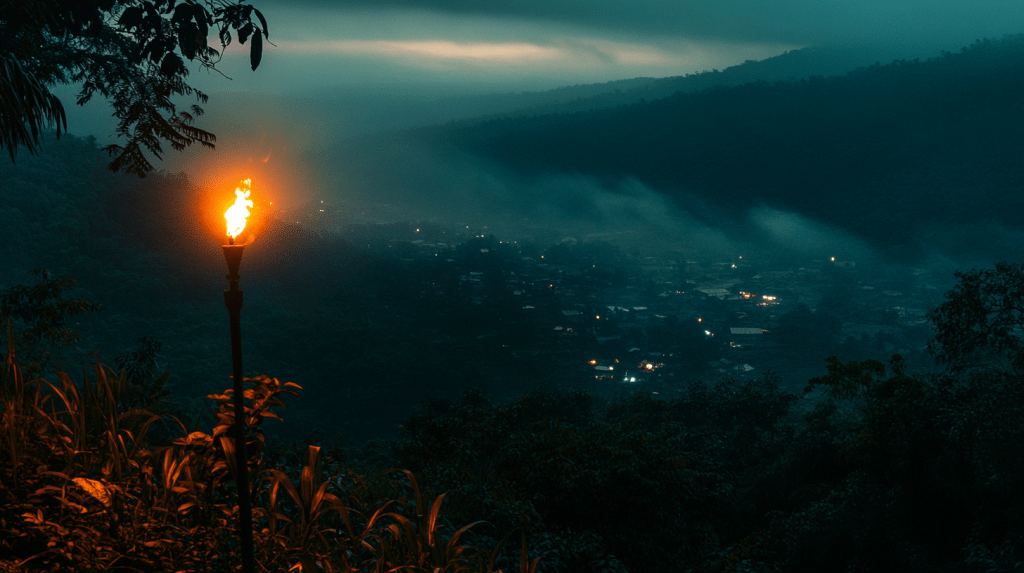
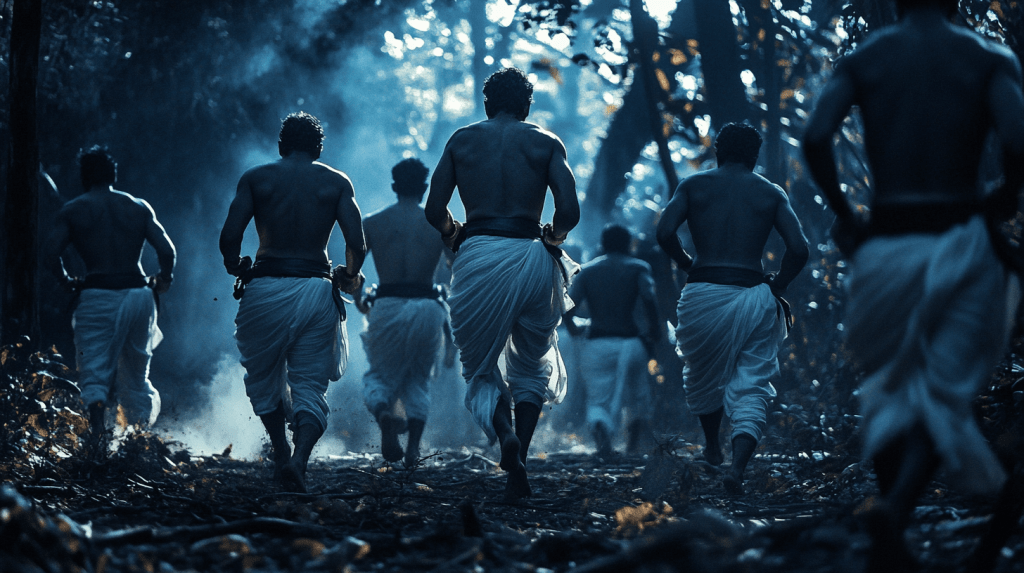
- Sal Village, Bicholim: One of the most renowned celebrations occurs in Sal, where 64 male devotees, known as ‘gade,’ participate in the festival. These devotees observe various forms of abstinence leading up to and during the festival. During the nights of the festival, the gade enter a trance-like state, running barefoot through forests and hilly terrains, guided by a mysterious burning torch believed to be carried by the devchar. This ritualistic chase captivates thousands of visitors annually.
- Poinguinim Village, Canacona: At the Betal temple in Poinguinim, the Gade Festival is celebrated once every three years in April. Here, the rituals differ slightly, with gade being suspended by hooks on a rotating wheel, symbolizing their devotion and the community’s connection to the protector spirits.
- Other Villages: The festival is also observed in villages like Borde-Bicholim, Pilgao, Kudne, and Savai-Verem. In these regions, the Gadyachi Jatra is an integral part of the Shigmo festivities, with rituals centered around expressing gratitude to spirits and seeking their protection.
The Ritual Process:
- Pre-Festival Preparation: The gade (devotees) undergo strict fasting and abstinence for several days before the festival. They refrain from alcohol, meat, and physical intimacy to purify themselves for the ritual.
- The Spirit Summoning : The main ritual happens at night, when the gade gather at the village temple. The head priest performs special chants and invokes the devchar, calling upon the protector spirit to descend and participate in the ritual.
- The Mysterious Chase Begins: Suddenly, a burning torch appears in the distance, seemingly moving on its own. This torch is believed to be carried by the devchar, guiding the gade into the surrounding forests and hills. The gade, barefoot and dressed in traditional dhotis, rush behind the torch, trying to chase it down.
- The Disappearance & Return: After hours of running through forests and hills, the torch suddenly disappears, marking the end of the ritual. The gade, exhausted but spiritually uplifted, return to the temple.
Beliefs Associated with the Ritual
It is believed that if an outsider or a skeptical observer tries to follow the ritual closely, they may experience paranormal occurrences or even fall ill. Many villagers claim that the torch is carried by an unseen force and that those who disrespect the ritual may be cursed by the spirits. The gade themselves say they often feel an invisible force pulling them forward, proving the presence of the devchar.
This ritual remains a deeply mystical and sacred experience for the people of Goa, drawing believers and curious visitors alike. It continues to be a living example of Goa’s blend of spirituality, folklore, and tradition.
Recommended Attire for Visitors
- Mobile Phone Usage: The festival’s nocturnal rituals are deeply spiritual. Using mobile phones, particularly flashlight features, can be intrusive. Visitors are encouraged to refrain from using mobile lights during ceremonies to maintain the sanctity of the event.
- Comfortable Footwear: Given that the festival involves processions and rituals that may require walking or standing for extended periods, comfortable footwear is advisable.
- Avoid Flashy Outfits: Refrain from wearing overly bright or flashy clothing that might draw undue attention or distract from the solemnity of the rituals.
In conclusion, the Gade Festival is a captivating celebration that reflects the syncretic culture of Goa, blending ancient rituals with communal harmony. Its unique customs and the mystical aura surrounding the festivities continue to intrigue and attract visitors, keeping the legend and traditions of the gade alive for future generations.
 Aadle Goi
Leave a comment