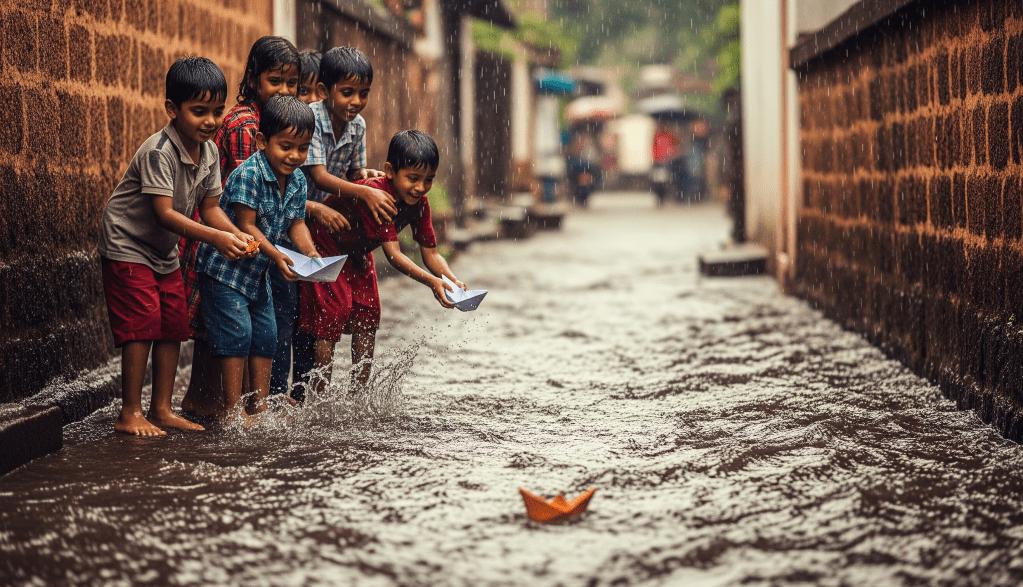
The monsoon in Goa isn’t just a season; it’s a living, breathing story. Imagine the 1970s and 80s: the air thick with the smell of wet earth, the rhythmic drumming of rain on terracotta roofs, and a landscape exploding into a thousand shades of green. This wasn’t just weather; it was a profound connection, a time when every drop of rain held a name, a prediction, and a piece of Goan life itself.
Getting Ready: The Great Monsoon Prep
Before the first big downpour hit the Konkan coast, Goans would start their busy stocking up for the months ahead. Roads could get tricky, so being prepared was key.
In Goa, salt crystals or sodium chloride crystals were collected from the agor (salt pans) during summer and had to be stored carefully because they wouldn’t be available again until the next summer. They used glass jars, glazed clay pots, and metal tins of all shapes and sizes. Every Goan home had a bamboo kornno for storing salt and a koddo for storing rice, both were everyday essentials in those times.
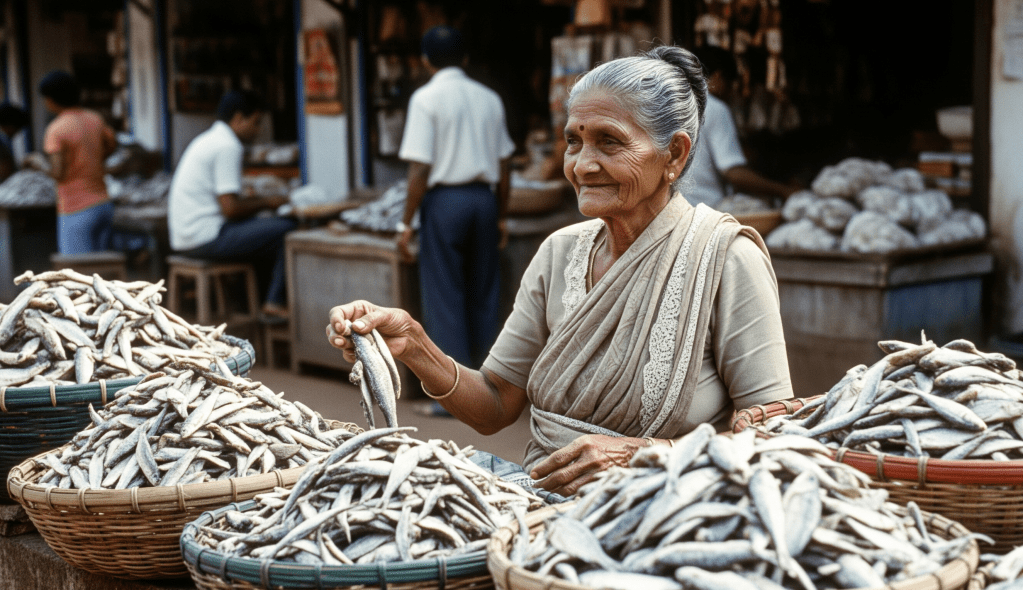
Once the salt was sorted, Goan families would salt and dry fish in huge quantities, in Konkani it is called ‘Khaarem’. Families made sure they had enough food when fresh catches were hard to come by during monsoons in Goa. Bangde (mackerel) and Dhodiyare (Sea Bream) were common salt fish along with Sungta (Prawns).
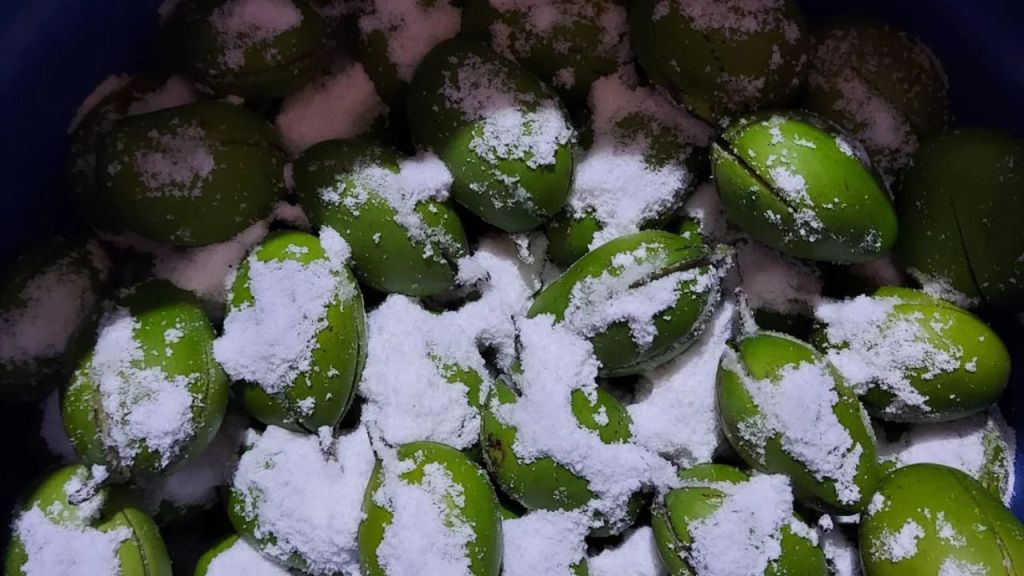
Mangoes and jackfruit were pickled or preserved, and spices were carefully stored away. And crucial for every home was firewood. It was gathered, chopped, and stacked high, ready to fuel the cooking fires. Until the 70s there was no electricity so villagers used to stock up oil for lamps.
Naming the Rain: When Monsoon Had Meaning
Farmers were just as busy. They’d strengthen the earthen bunds around their paddy fields to hold the precious rainwater. Everyone knew their part, relying on old wisdom to predict when the rains would finally arrive. It was a time of community, of getting ready together.
📹 A glimpse of 1960 rainy season.
What’s truly special about monsoons in old Goa is how people literally named the rain based on its character and connection to life. Unlike our meteorological department, our ancestors were accurate in predicting rain volume. It was a weather forecast mixed with poetry.
- Vôl in May: The first hint of moisture in the soil
- Paul bhor udok (Start of June): Ankle-deep water in the fields
Goans would even anticipate volumes of rain and there would be names on feelings and family. Read more about it in Herald.
Childhood Magic: Splashing Through Memories
Children from aadle goi would walk to school with umbrellas, giggling as they slipped off their slippers and tossed them into the crystal-clear rainwater rushing along the roadside drains. They would race alongside the current to catch up with them, drenched but thrilled. Sometimes, they would make little paper boats and send them off on watery adventures, chasing them until they toppled. Unlike today, when children rarely get to experience such simple joys, those rainy day memories remain some of the most cherished.
What are your earliest or most cherished monsoon memories in Goa? Share them in the comments below or tag us on Instagram @aadlegoi to be featured!
 Aadle Goi
Leave a comment