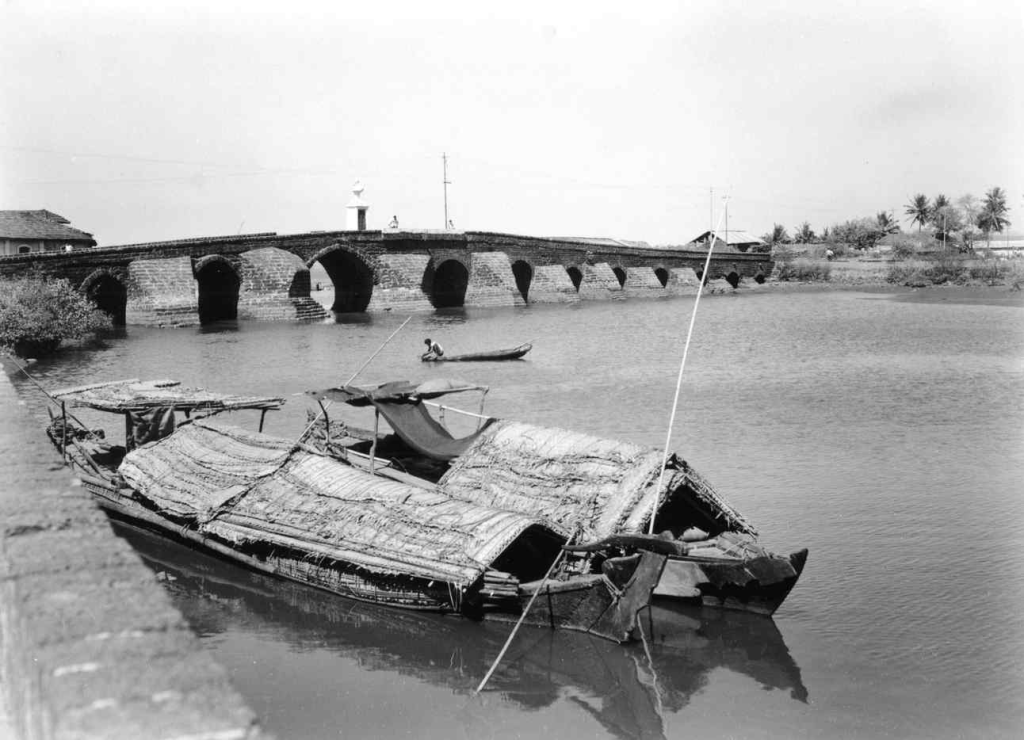
When I was young, Goa felt untouched. Not perfect, but peaceful. Green fields stretched beyond what the eye could see, and villages still knew each other by name. Life moved slowly, not because it was lazy, but because it was lived.
Mornings were quiet. The sound of birds travelled farther than traffic ever did. Houses were open to the wind, not sealed behind glass. The land felt like it belonged to the people who cared for it, generation after generation. Back then, Goa didn’t try to impress anyone.
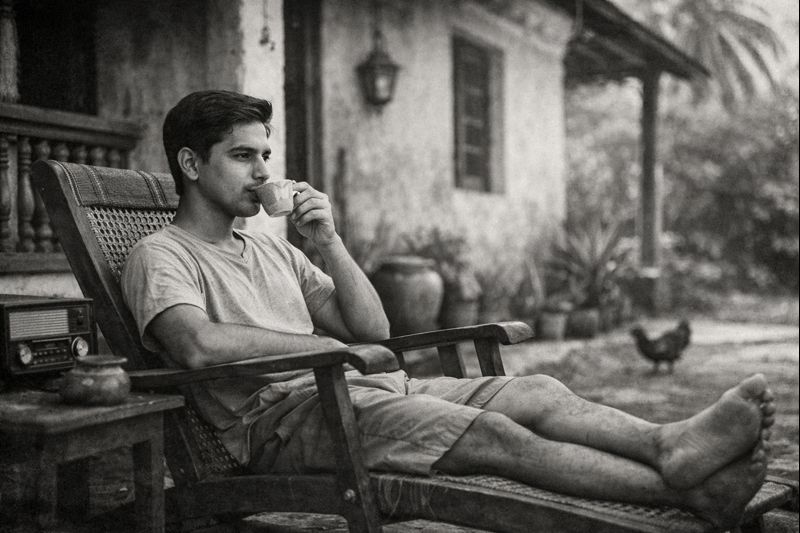
As I grew older, the changes became harder to ignore. The green slowly gave way to concrete. Hills were cut open, fields fenced, and familiar paths disappeared under roads meant for speed, not belonging. What was once called development began arriving in a hurry.
People came from outside, and not all of them came with respect. Slowly, they occupied everything: businesses, land, politics, and influence. Decisions about Goa were being made by people who did not grow up listening to its silence. I watched locals sell land not because they wanted to, but because they felt they had no choice. Promises were made in the name of progress, but the progress rarely felt like it belonged to us. The village that once felt shared now felt divided.
For a long time, I thought these thoughts lived only in my head.
Much later, I realised they didn’t. I found pieces of these feelings written down, quietly, in books, not angry, not dramatic, but observant. One of them was Goa: A Daughter’s Story. It felt personal, almost like listening to an elder talk about home- about identity, belonging, and the quiet grief of watching a place change shape while still carrying its old name.
Another book that deepened this feeling was Glimpses of Goa: History and Culture. It reminded me that Goa was never just land or coastline. It was history layered over centuries – beliefs, customs, language, faith, resistance, and coexistence. Things that cannot be replaced once lost. These books didn’t give answers. They didn’t tell me how to fix Goa. But they made me feel less alone.
Today, when I walk past new buildings and unfamiliar faces, I don’t feel anger as much as sadness. I don’t hate development. I don’t resent people who come here seeking opportunity. I only wonder why growth must always arrive by erasing what was already whole.
Goa was never meant to be loud. It was meant to be lived in gently.
And sometimes, I fear that if we don’t pause and reflect, we may wake up in a place that still looks like Goa on the map, but feels like nowhere we recognise.
Affiliate Disclosure
Some links in this story may be affiliate links. If you choose to purchase through them, it helps support aadlegoi and its effort to preserve stories and memory at no extra cost to you.
 Aadle Goi
Leave a comment