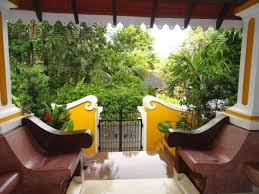
There was a time when the front of a Goan house was never empty. Before you even entered the home, you would pass through a space that already felt alive, soppo. Raised slightly above the ground, with thick curved sides and built-in seats facing each other, it was more than an entrance. It was where the house met the world.
In many homes, this extended sitting area, the soppo, held the day’s quiet stories.
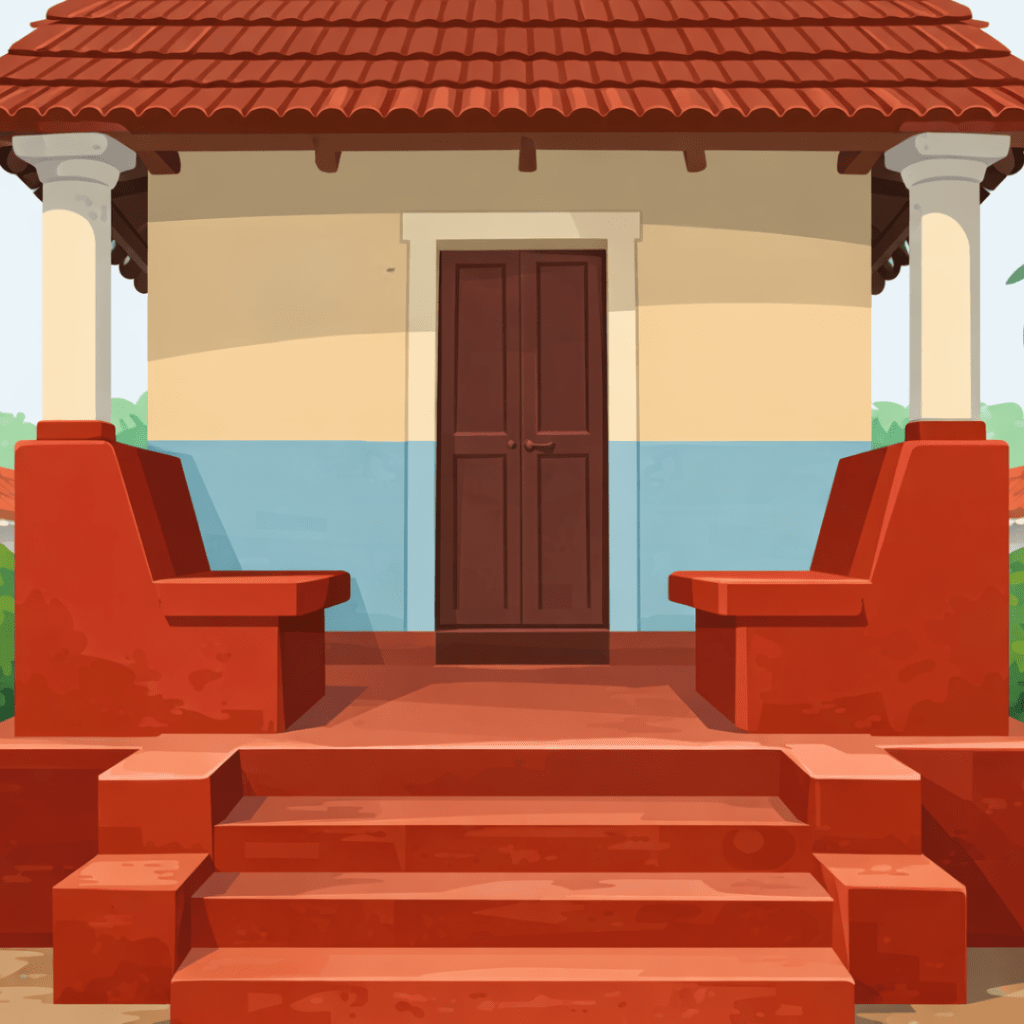
Evenings began there. After lunch and a short rest, the elders would come out and sit facing the road. Not to watch anything in particular, but to be present. Time moved slowly on the soppo. The breeze passed through. People walking by would pause to greet.
No phone calls. No messages. Just a simple, “baro mare?” The soppo was not furniture. It was part of the house itself, built into the structure, facing outward, inviting conversation. It was designed that way for a reason.
Traditional Goan homes were meant to look outward, to stay connected with the surroundings and the community. The balcão created a space where one could sit, relax, sip tea, read, or simply watch life pass by. It was both a resting place and a social bridge between the home and the village. In the evenings, neighbours would stop by without notice. News travelled from one soppo to another. Sometimes it was about a wedding, sometimes about the fish catch, sometimes just the latest village gossip.
And sometimes, there was nothing to talk about at all. Silence was also welcome.
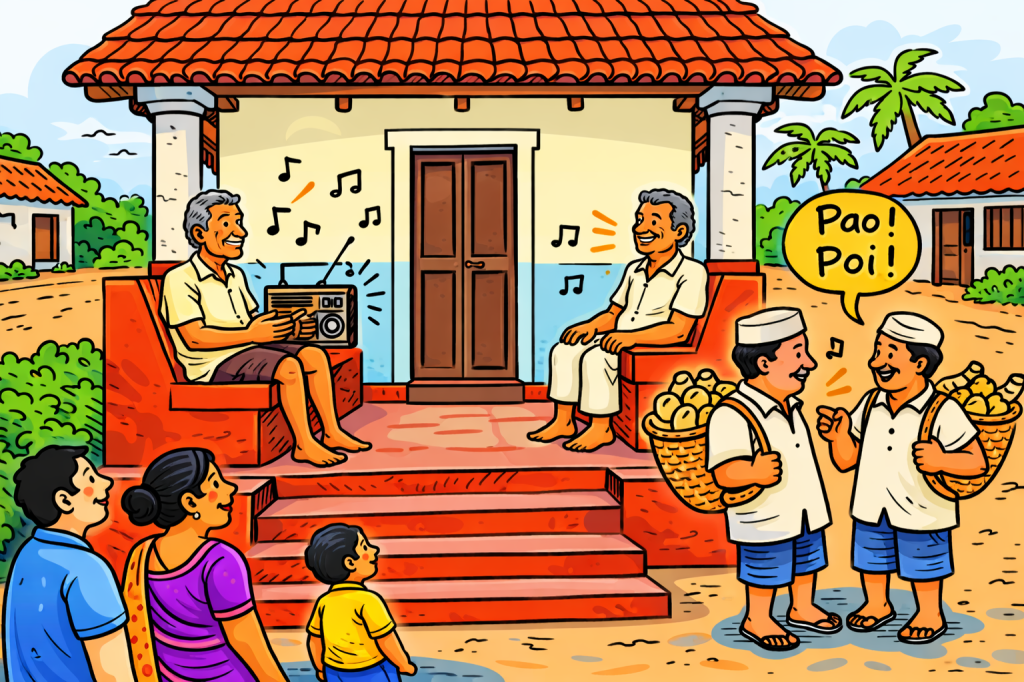
There were days when someone would bring a small transistor radio and place it on the cement seat. Slowly, people from nearby houses would gather to listen to evening programs together, not inside, but outside, where life was shared. The soppo was where strangers were first greeted, where bread sellers called out, where travellers paused for water, and where conversations decided whether someone would be welcomed inside. It was a space of trust, observation, and quiet connection.
Today, many of these still stand. But they are quieter. Gates have come up. Compound walls are higher. Even when the soppo is there, it often remains empty. Life has moved indoors, into living rooms, into screens, into private spaces. The road outside is busier than before. But the conversations are fewer.
Sometimes, when I pass an old house and see an elderly person sitting alone on the soppo, looking at the road, it feels like they are not just watching people go by. They are waiting for a time when evenings belonged to everyone.
The soppo was never just architecture. It was Goa’s way of saying: Sit, breathe, you don’t have to hurry. And maybe, the old Goa we miss is not hidden in the past. Maybe it is still there in a quiet soppo, waiting for someone to sit again.
 Aadle Goi
Leave a comment