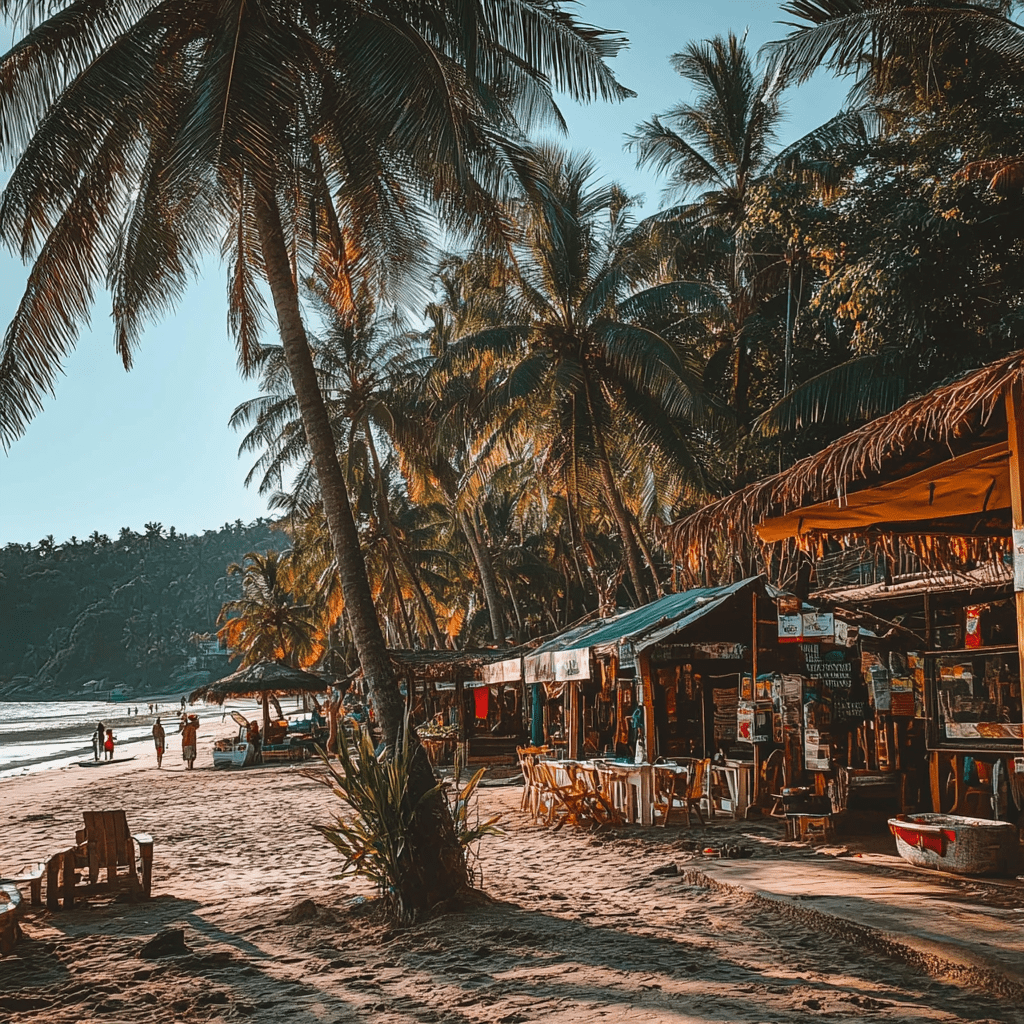
The year 2024 brought Goa remarkable growth in tourist footfall, with a staggering 1.4 crore visitors gracing the state. According to Tourism Minister Rohan Khaunte, 99.41 lakh domestic and 4.67 lakh foreign tourists visited Goa, marking a 22% year-on-year growth compared to 2023. This growth was most pronounced during the final quarter of the year, with December 2024 witnessing a record-breaking 54% increase in tourist numbers compared to the same month the previous year. However, this success story has been shadowed by controversies and concerns about preserving the state’s unique cultural identity.
The Controversy Surrounding Tourism Decline Allegations
Minister Khaunte condemned a wave of criticism aimed at Goa, which gained traction through social media influencers and was reportedly fueled by “unverified data” from the China Economic Information Center. The allegations suggested a decline in tourism, contradicting the state’s robust growth figures. While the minister defended Goa’s tourism statistics and pointed to a 3% increase in foreign tourist arrivals as a positive sign amidst a regional downturn, the controversy highlighted deeper issues concerning the state’s tourism dynamics.
Why Are Locals Frustrated?
As a Goan, I can attest that many locals are increasingly frustrated with the behavior of some tourists. The phrase “Goa mei sab kuch chalta hein” (“Everything is permissible in Goa”) has often been misused, leading to a rise in nuisances on our roads, beaches, and residential areas. Reckless driving, littering, and public drunkenness are just some examples of the disruptions caused by a subset of domestic tourists. These behaviors not only disturb the peace but also show a lack of respect for Goa’s culture and community.
Adding to this frustration is the skyrocketing cost of living. Many locals feel alienated by the rising prices, which are often attributed to tourism—from inflated rents to expensive food and services. Tourists complain about how “everything is expensive in Goa,” but this is not just a state-specific issue. The reality is that the ongoing global conflicts, particularly the wars, have led to inflationary pressures across India. From fuel to basic commodities, the ripple effects of the global crisis have made life costlier for everyone, including Goans.
The Impact of Tourism on Local Culture

While tourism is undeniably the lifeblood of Goa’s economy, it has also led to challenges in maintaining the state’s rich cultural heritage. As locals, we cherish our traditions, festivals, and way of life, which form the heart of what makes Goa unique. However, the influx of tourists—some of whom show little regard for local customs—has led to growing concerns about cultural erosion.
Additionally, tourism has brought about significant demographic shifts. Many outsiders, particularly from North India, have set up restaurants and shacks in Goa, especially in the northern parts of the state. They often purchase land from Goans at inflated prices, sometimes three times the market rate, leading to a sharp rise in land costs across the North Goa belt. While the responsibility partially lies with Goans who sell their land, this has caused localities to undergo cultural shifts, often alienating the native population. These changes, combined with cultural misunderstandings, have sparked arguments and conflicts in public spaces, restaurants, and shacks, further straining the relationship between locals and outsiders.
Instances of inappropriate behavior, such as disrespecting local landmarks, dressing inappropriately at religious sites, and drunk driving, have drawn criticism. These actions not only disrupt the lives of residents but also risk tarnishing Goa’s image as a destination that blends vibrant festivities with serene spirituality.
What Locals Can Do
As custodians of Goa’s culture, it is essential for us to play an active role in preserving our heritage:
- Promote Awareness: Encourage dialogue with tourists about the significance of Goan traditions, festivals, and cultural practices.
- Engage in Community Policing: Collaborate with local authorities to report and address instances of misconduct.
- Celebrate Responsibly: Host cultural events that showcase Goan art, music, and cuisine, offering tourists a deeper understanding of our way of life.
- Lead by Example: Demonstrate respect for our environment and heritage, setting a standard for visitors to emulate.
Government’s Role in Educating Tourists
To ensure that tourism growth does not come at the expense of Goa’s cultural integrity, the government must take some proactive steps. One of them should be supporting local tourism initiatives. The government should encourage and assist small tourism companies that provide cultural walkthroughs and custom packages showcasing Goa’s heritage. By helping such organizations, the government can promote a side of Goa that goes beyond beaches and parties, offering tourists an immersive experience of our rich traditions.
Using social media and apps to disseminate information about cultural norms and key dos and don’ts for visitors can also be considered.
Moving Forward
The key to sustainable tourism in Goa lies in creating a model where economic growth complements rather than compromises cultural integrity. While the numbers show promising growth, the focus should be on attracting quality tourism that respects and appreciates Goan culture.
The recent surge in tourist numbers presents an opportunity to reshape Goa’s tourism narrative. By implementing these suggestions and maintaining a dialogue between locals, tourists, and authorities, Goa can continue to grow as a tourist destination while preserving its unique cultural identity.
As we move forward, it’s crucial to remember that tourism should enhance, not diminish, Goa’s cultural heritage. With proper management and community involvement, we can ensure that future generations will continue to experience the authentic charm of Goa while allowing for sustainable tourism growth.

 Aadle Goi
Leave a reply to The Cultural Shift in Goa: From the 60s to the 80s – Aadle Goi Cancel reply