
In Goa, coconut is more than just a fruit, it’s a lifeline. Deeply embedded in our traditions, cuisine, and even wellness rituals, the coconut tree stands tall not just in our landscapes but also in our hearts. For Goans, coconut isn’t just used, it’s celebrated. Whether it’s in the form of delicious Goan coconut dishes, nourishing Goan coconut oil, or sacred rituals, coconut plays a central role in daily life.
From the aroma of a fresh fish curry to the scent of coconut oil in our hair, this tropical fruit forms the core of Goan living. And if you’re a tourist exploring Goan food, you’ll quickly realize that coconut is a common thread tying together both Hindu and Catholic culinary traditions in Goa.
Coconut in Goan Cuisine: A Flavour that Defines Us
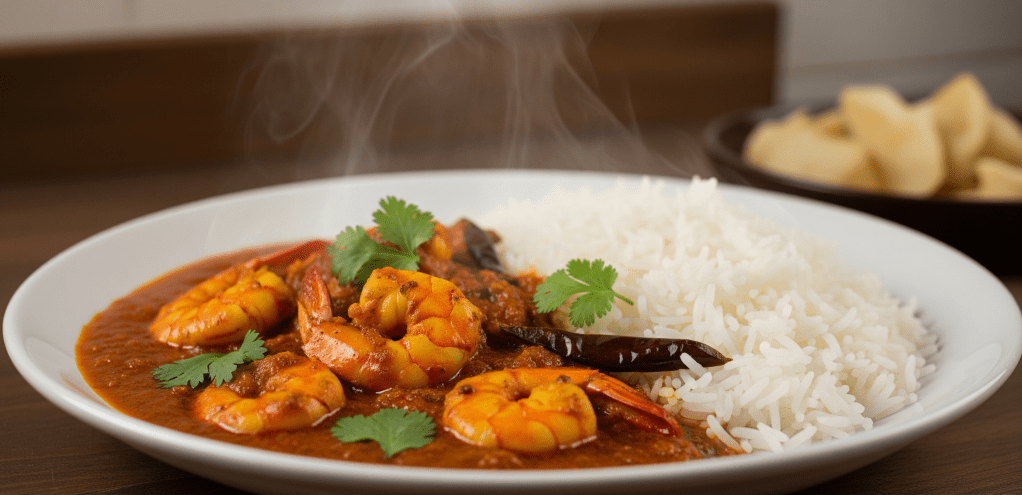
If you ask any local about the most essential ingredient in Goan food, they’ll tell you: coconut. Freshly grated coconut, coconut milk, and coconut oil are staples in every Goan kitchen. The classic xitt kodi (rice and curry), a daily meal in most Goan homes, owes its creamy texture and earthy flavor to ground coconut. Whether it’s the tangy Ambot Tik or the comforting Sungtache Hooman (prawn curry), these iconic Goan coconut dishes are incomplete without this key ingredient.
Coconut is also used as a base in both vegetarian and non-vegetarian recipes. From Khatkhate (a traditional mixed vegetable stew served during Hindu feasts) to Chicken Xacuti, the richness of coconut paste adds depth and balance to every bite. Even in Catholic cuisine, dishes like Sorpotel and Vindaloo often use Goan coconut vinegar, a tangy byproduct of fermented toddy, for that punch of flavor.
Coconut-Based Side Dishes & Sweets: Everyday Comforts
Coconut isn’t just used in main courses; it enhances chutneys, snacks, and sweets too. A green coconut chutney with tamarind and chillies is a favorite breakfast side for poee or bhakri. Almost all Vegetable dishes like Tendli Bhaji, or Valachi bhaji are cooked with grated coconut for that signature Goan flavor. These side dishes form an essential part of the Goan tourist food experience, offering a taste of homely comfort that visitors often remember long after their trip ends.
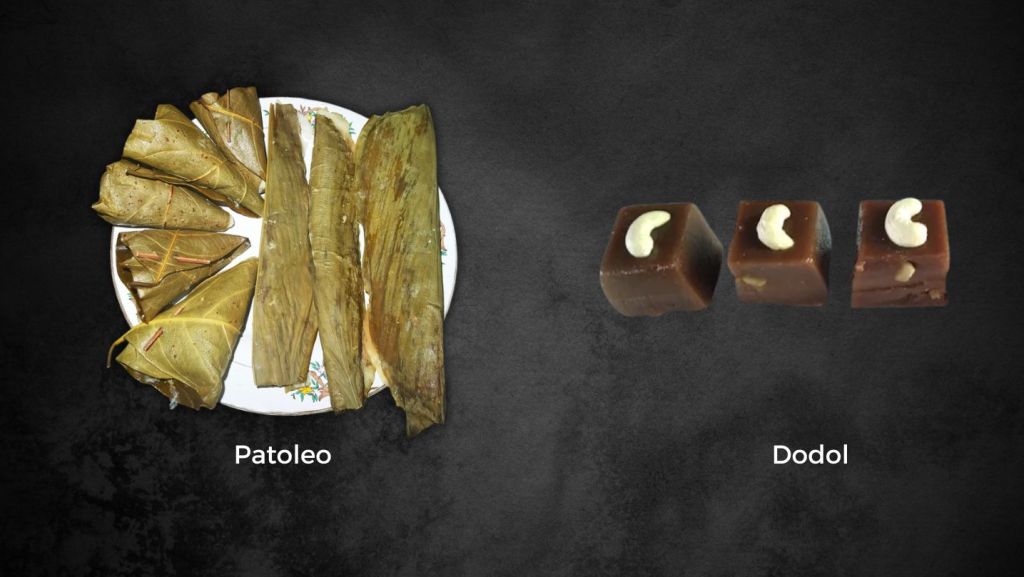
When it comes to Goan sweets, coconut takes center stage again. Dodol– a rich coconut and jaggery fudge, is a festive staple. Patoleo, steamed turmeric leaf parcels filled with sweet coconut filling, are enjoyed during Hindu festivals like Nag Panchami and Ganesh Chaturthi. Then there’s Bebinca, the legendary 7 layered dessert made with coconut milk and eggs, prepared during Christmas. Whether during Ganesh Chaturthi, Christmas, or village feasts, coconut-based sweets are always part of the celebration.
Goan Coconut Oil: From Haircare to Healing
Before the rise of modern beauty products, Goan coconut oil was the original wellness elixir. Made traditionally by cold-pressing dried coconut kernels (copra), this oil has been used for generations in haircare, skincare, and healing. A warm coconut oil scalp massage is still a Sunday ritual in many Goan homes. It’s believed to promote hair growth, reduce dandruff, and keep the scalp cool in Goa’s tropical climate.
Beyond beauty, coconut oil is used for healing cuts, minor burns, and rashes, often mixed with turmeric or camphor. In Goan villages, cold-pressed coconut oil is still made locally, preserving the purity and aroma that commercial oils often lack.
Goa’s Coconut Traditions: More Than Just Food
The story of coconut in Goa goes beyond the kitchen. The history of coconut in Goa is intertwined with our traditions and rituals. During Hindu festivals like Ganesh Chaturthi or Diwali, coconuts are offered as prasad at temples. In Catholic homes, coconut-based sweets are made in large batches during feast days and weddings. The act of climbing a coconut tree, once a necessary village skill. is still seen as a symbol of strength and tradition.
Toddy tapping is another age-old practice. The sap extracted from coconut palms, known as niro (when fresh) or toddy (when fermented), is used for natural fermentation in dishes like sannas.
Coconut & Goan Tourism: A Natural Connection
Today, as more travelers explore Goa beyond the beaches, they’re discovering the richness of Goan food culture, where coconut plays a leading role. Tourists visiting local markets are fascinated by the variety of coconut-based products, from fresh coconut sweets to handmade oils and soaps. Several Goan tourist food trails now focus on authentic village meals where traditional cooking methods involving coconut grinding, toddy fermentation, and slow cooking are proudly showcased.
For those visiting Goa, tasting these dishes isn’t just about food, it’s about experiencing a legacy that goes back centuries.
Final Thoughts: Coconut is Goa’s Soul
In every Goan household, coconut isn’t just an ingredient, it’s a heritage. Whether it’s in the creamy texture of a curry, the aroma of sweet Patoleo, or the soothing warmth of coconut oil massaged into the scalp, coconut is present in every phase of Goan life.
As you travel through Goa, whether exploring bustling markets or quaint villages, you’ll see coconut trees standing tall everywhere. They aren’t just part of the landscape; they are guardians of Goa’s culinary and cultural identity. From Goan coconut dishes to Goa’s coconut history, this fruit is the thread that connects our past, present, and future.
So next time you visit Goa or cook a Goan meal, remember that spoonful of coconut isn’t just flavor, it’s history.


Leave a comment